Seminole County · Available 24/7
Tree Service
in Lake Mary, FL
Certified arborists for every tree on your Lake Mary property, about 30 minutes from our yard, with 24/7 storm response.
- Certified Arborists on Staff
- Licensed, Bonded & Insured
- Free Written Estimates
Local Tree Care
Apex Tree Care: Lake Mary's Choice for Tree Care
Lake Mary homeowners call us for everything from HOA-ready pruning to removing lightning-struck pines before they fall. Whether it's a single stump in Heathrow or a full storm cleanup, our certified arborists plan the job and our own crew carries it out, with the paperwork your community expects.
Lake Mary mixes established neighborhoods with tall pines and mature oaks that were kept when the subdivisions were built. Many of those trees now stand close to homes, fences, and community common areas.
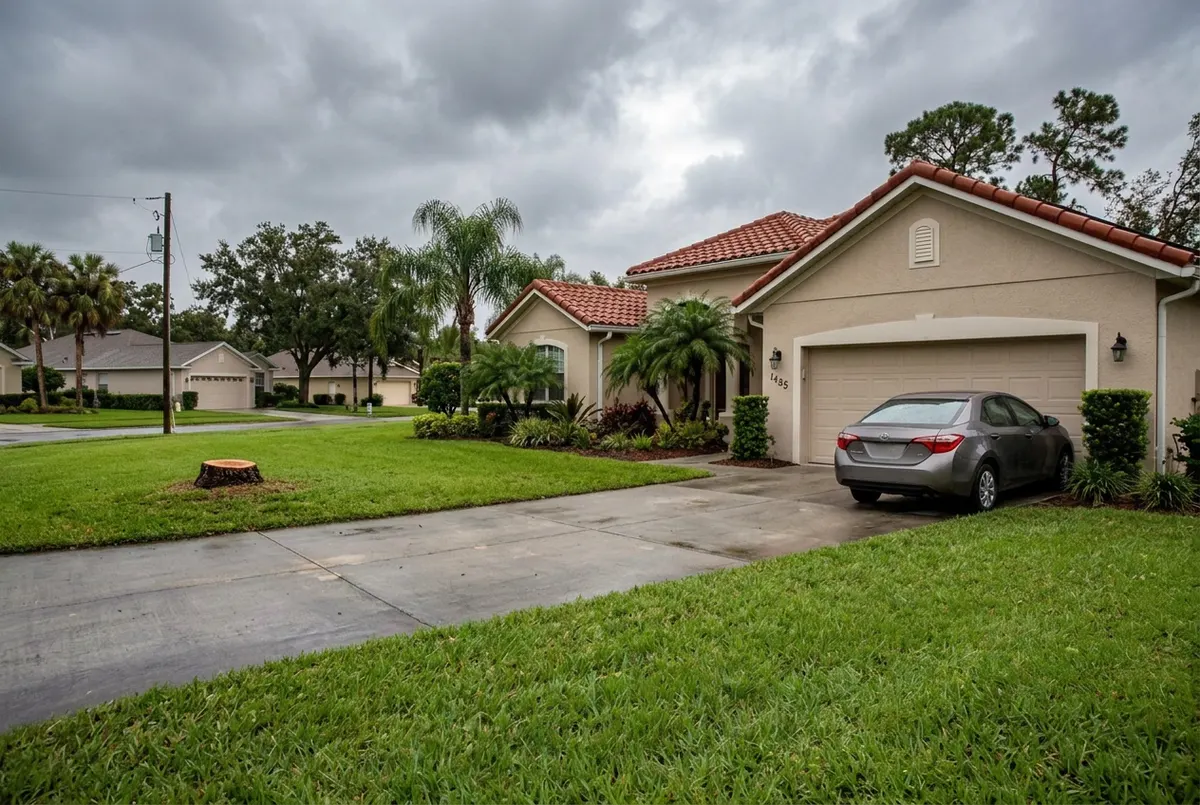
What Makes Tree Work in Lake Mary Different
HOA rules and approvals
Many Lake Mary neighborhoods have their own rules for removal, pruning, and replanting on top of any city or county permits. We give you a written assessment to submit and keep the finished work within community standards.
Tall pines near homes
Slash pines left standing when subdivisions were built now tower over roofs and fences. Lightning and bark beetles can kill them fast, and dead pines turn brittle, so we watch for early decline.
Tight subdivision lots
Houses sit close together, with fences, pool cages, and shared common areas all within reach of a falling limb. We plan drop zones carefully and use rigging or our crane when space runs short.
Tree Services in Lake Mary, FL
Tree Removal in Lake Mary
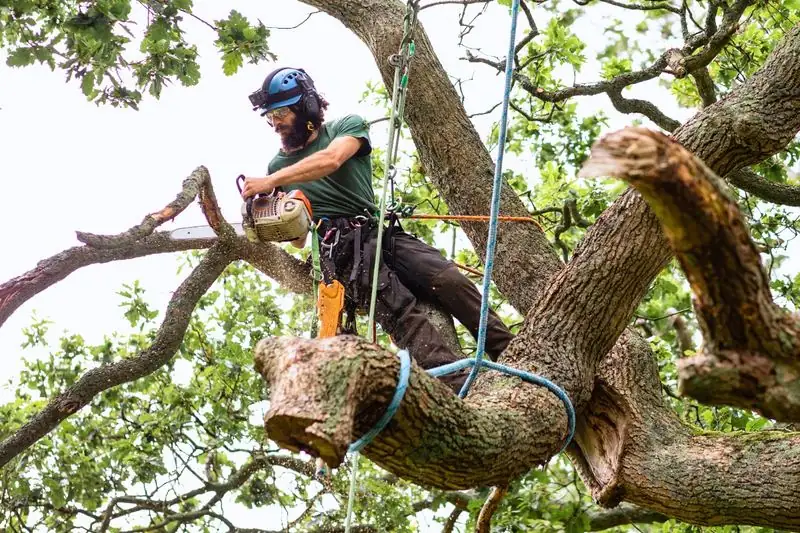
In Lake Mary we remove a lot of tall pines, especially ones damaged by lightning or bark beetles, which can die quickly and become brittle. Pines near homes in tight subdivision lots are taken down in controlled sections or lifted out by crane so nothing lands on a roof or a neighbor's fence.
Tree Trimming & Pruning in Lake Mary
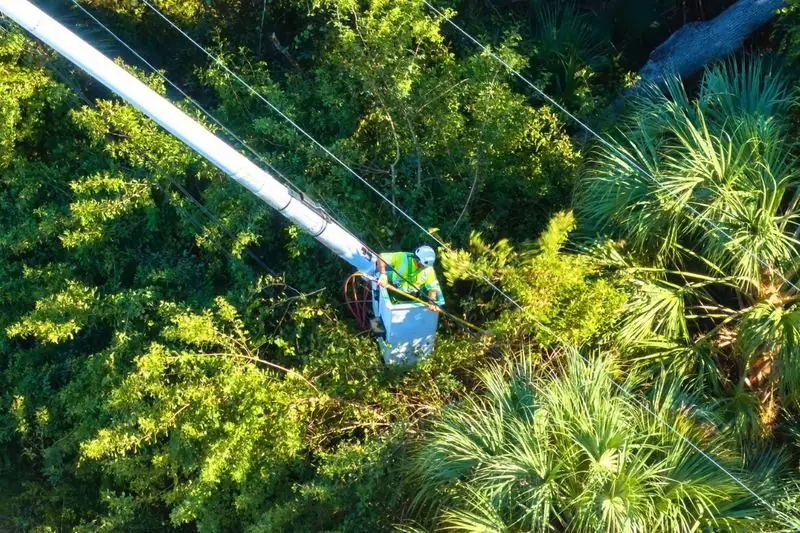
Lake Mary's oaks and pines tend to hang over roofs, driveways, and community sidewalks. We prune for clearance and storm readiness and keep the work tidy enough to satisfy HOA guidelines, so the trees look shaped and natural rather than chopped.
Stump Grinding in Lake Mary
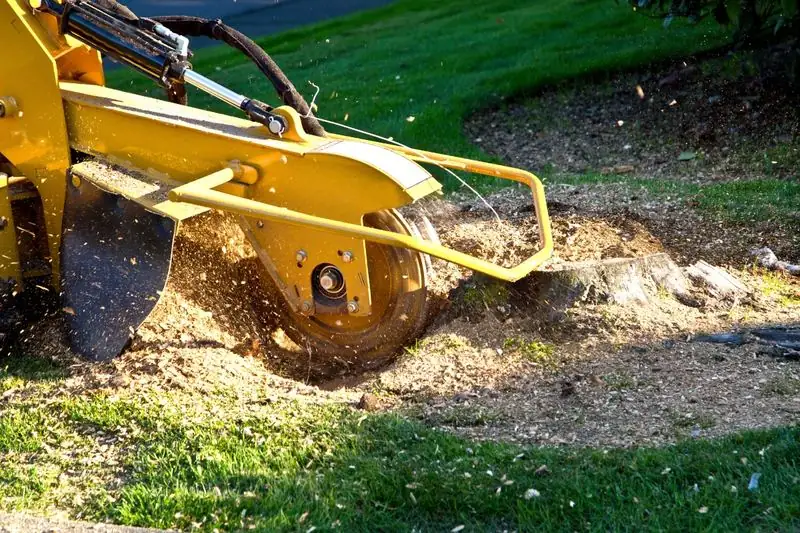
HOA landscaping rules often call for stumps to be removed after a tree comes down. We grind stumps below grade, chase out surface roots, and leave the area ready for sod or replanting so your yard meets community standards.
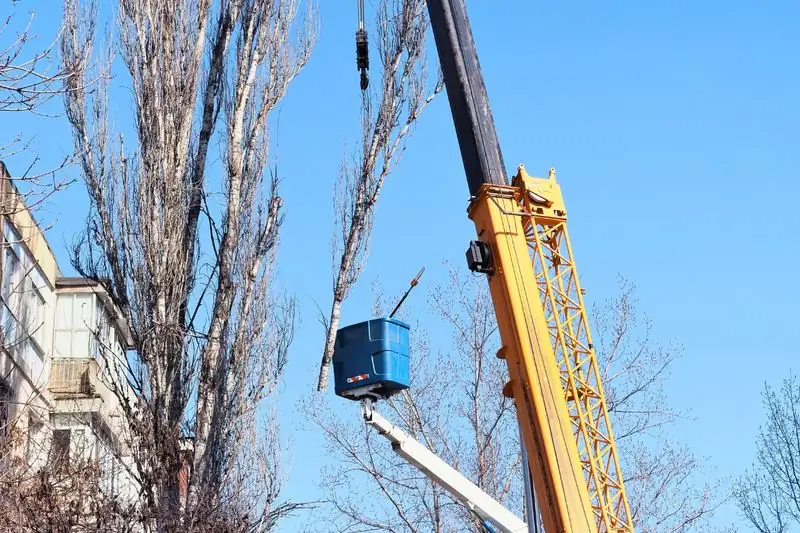
Crane-Assisted Removal
For tall, leaning, or hard-to-reach trees that need extra precision and equipment.
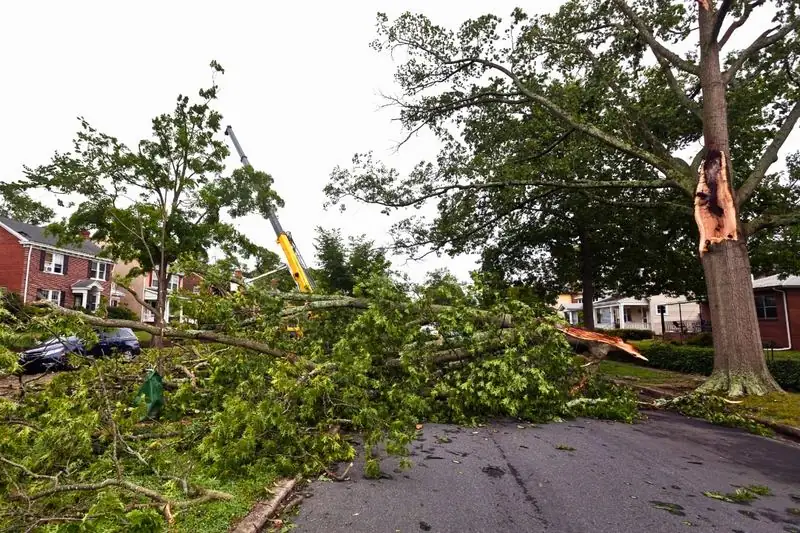
24/7 Emergency Tree Service
Storms and fallen trees don't wait for business hours — neither do we.
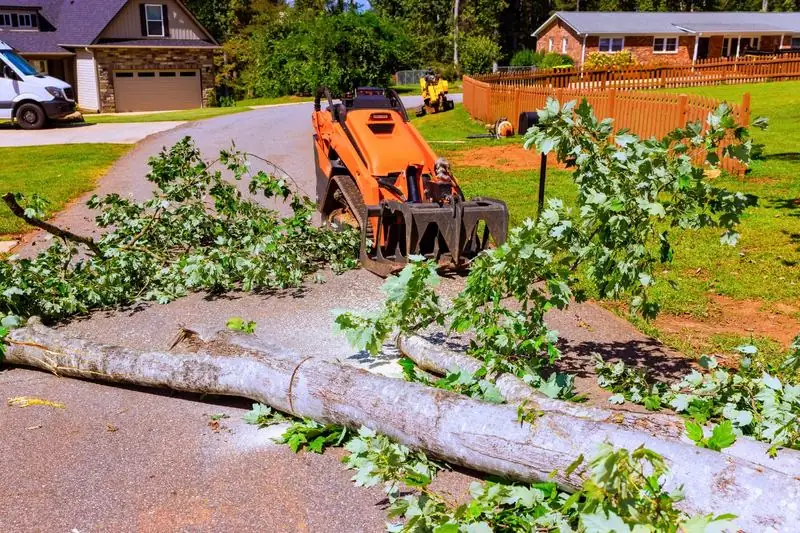
Storm Damage Cleanup
Fast debris cleanup after severe weather, with direct insurance coordination.
Protect Your Property and Save Your Trees
A free on-site visit from a certified arborist tells you exactly what your trees need — and what they don't.
Before & After in Lake Mary
All projects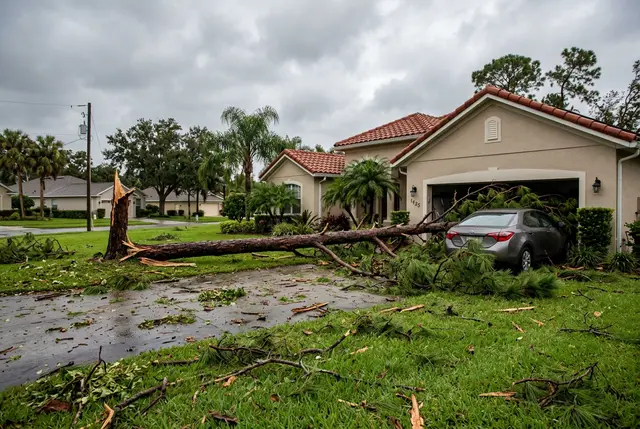
Before 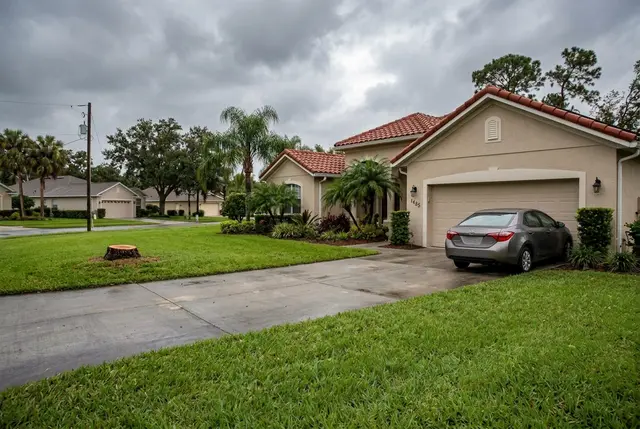
After Same-Day Driveway Rescue After a Tropical Storm in Lake Mary
A snapped slash pine trapped a car in the garage after a tropical storm. We cleared the driveway the same day and photographed it all for the insurance claim.
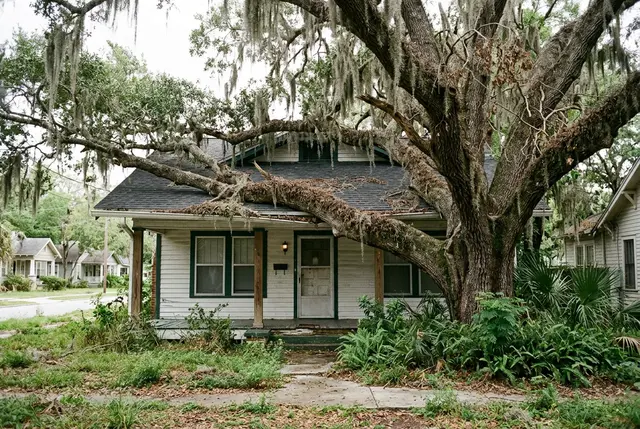
Before 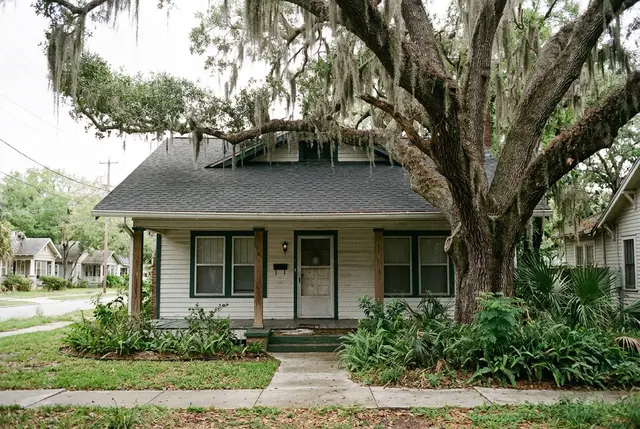
After Lifting a Century-Old Live Oak Off a College Park Bungalow
A heavy live oak was resting on a craftsman bungalow's roof. We raised and thinned the canopy, took out the deadwood, and kept the tree.
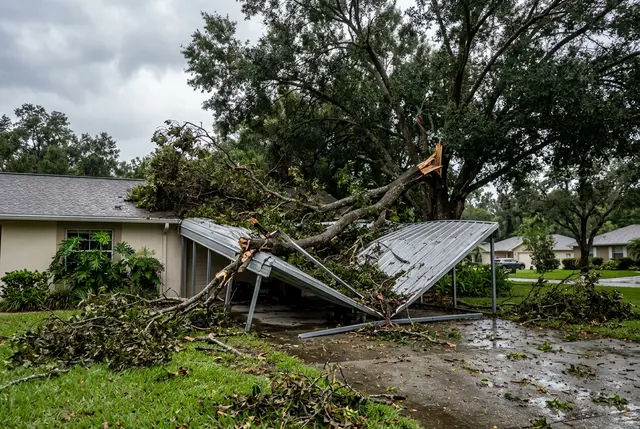
Before 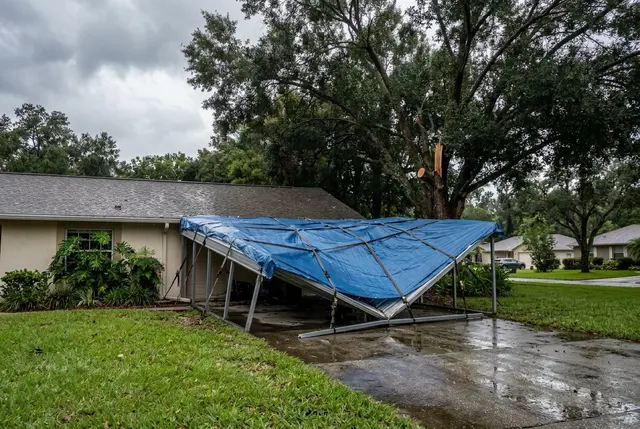
After Midnight Water Oak Limb Through an Oviedo Carport
A storm-broken water oak limb crushed a metal carport late at night. Our emergency crew removed it and tarped the roof before morning.
Caring for the Lake Mary Community Forest
Many Lake Mary neighborhoods have HOAs with their own rules on tree removal and replanting, and the city or county may require a permit for some trees. We check both during the estimate so you're not caught between the two.
- Neighborhoods we work in
- Heathrow, Timacuan, downtown Lake Mary, the Crystal Lake area
- Trees we see most
- Live oak, Laurel oak, Slash pine, Sabal palm, Crape myrtle
- From our yard
- About 30 minutes from 123 Main St, Orlando
Get a Free Tree Care Estimate in Lake Mary
Here's What Happens When You Reach Out
- 1
We schedule your free visit around your calendar.
- 2
A certified arborist assesses your trees in person.
- 3
You get a clear written quote before any work begins.
- 4
The price we quote is the price you pay.
We call back the same day. No spam, ever.
Storm season fills our schedule fast — get on the calendar before that tree becomes an emergency.
Tree Service in Lake Mary: Your Questions
Will my HOA need to approve a tree removal?
Many Lake Mary HOAs do require approval before a tree is removed. We'll give you a written assessment you can submit with your request, and we check whether a city or county permit applies as well.
Do you serve Heathrow?
Yes. We work throughout Lake Mary and the Heathrow area, typically about 30 minutes from our Orlando yard.
Latest From Our Learning Center
All articles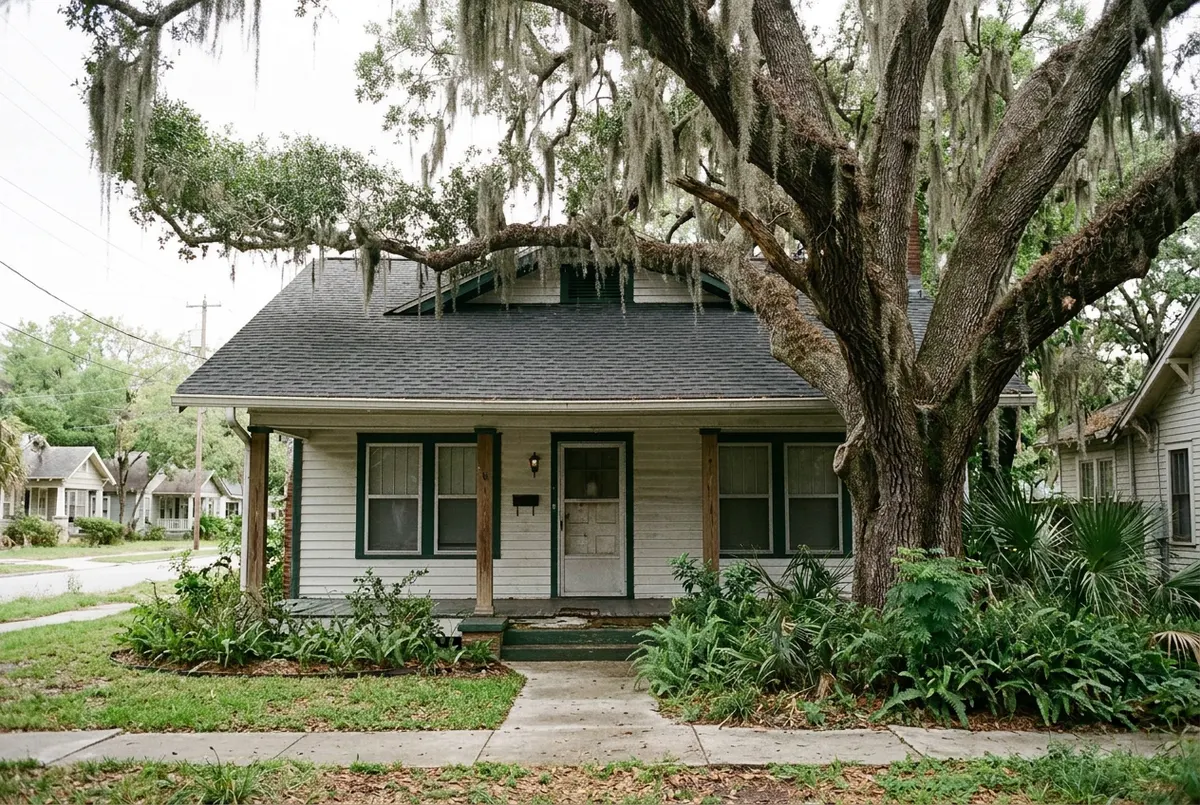
Top 10 Tree Service Companies in Orlando, FL (2026)
Picking a tree company in Orlando is easier when you know what to compare. We ranked 10 local crews on credentials, insurance, pricing and response time.
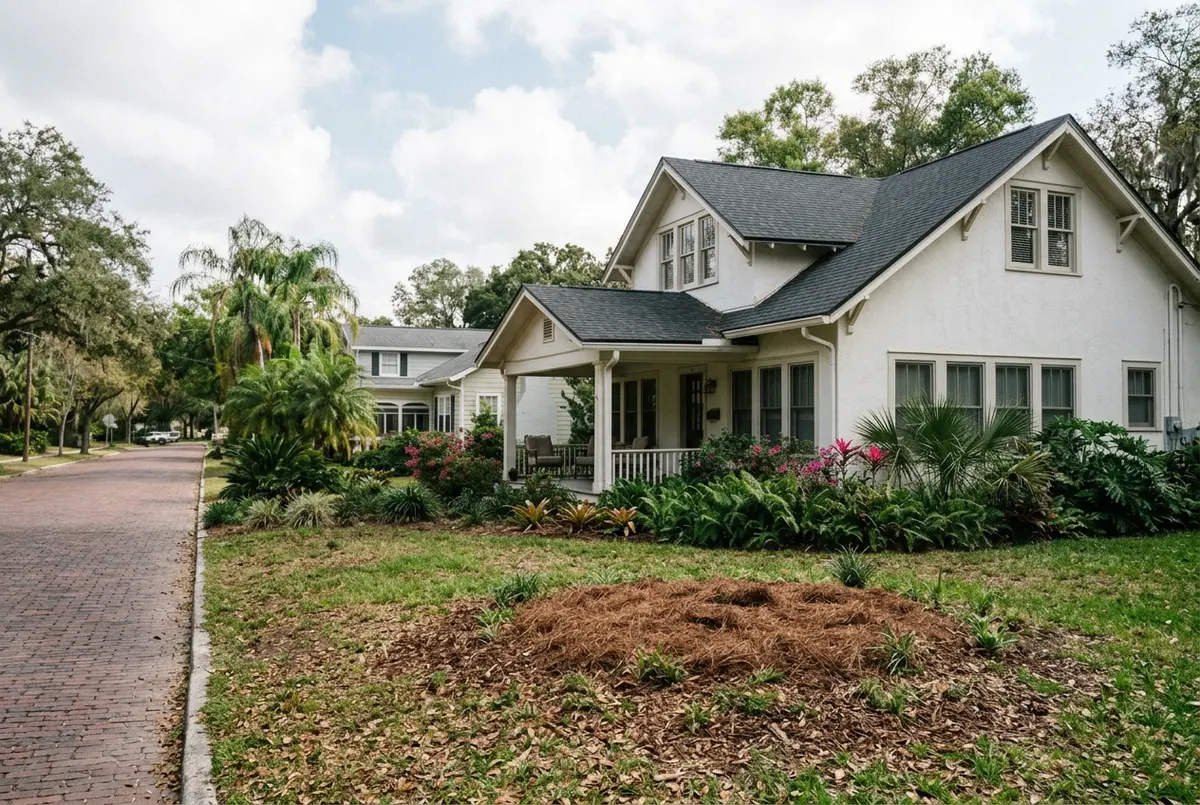
Top 10 Tree Service Companies in Winter Park, FL (2026)
Winter Park's old oaks deserve a careful crew. Here are 10 companies we'd consider, ranked on credentials, insurance, permits and how they treat older properties.
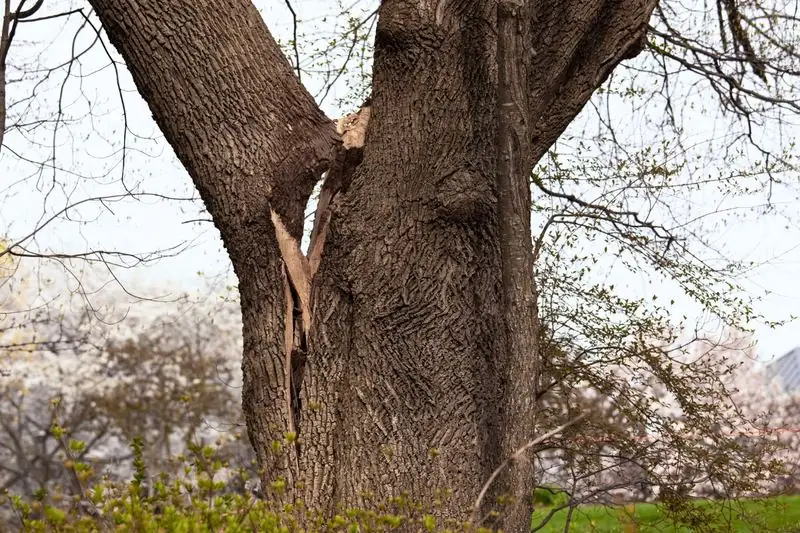
Tree Diseases Every Central Florida Homeowner Should Know
Some of the most serious tree problems in Central Florida don't look like much at first. Here are the four we see most often, the early signs, and when it's time to call an arborist.