Crane-Assisted
Tree Removal
For trees too big, too close, or too damaged to climb safely, our crane lifts each section up and away from your home instead of lowering it past the roof.
- Certified Arborists on Staff
- Licensed, Bonded & Insured
- Free Written Estimates
Crane-Assisted Removal · Central Florida
When a Crane Is the Safer Choice
Some trees can't be climbed and roped down safely. A dead pine that's gone brittle, a storm-split oak resting on a roof, or a huge tree wedged between two houses with no room to drop anything — in those cases a crane is the safest tool we have.
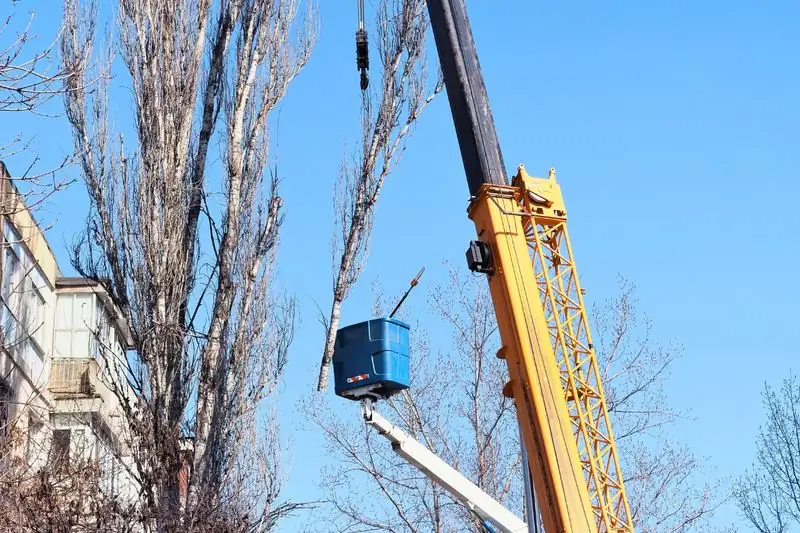
The crane holds each section before it's cut, then lifts it clear of your home and sets it down where our ground crew can process it. Nothing free-falls, and nobody has to climb a tree that can't be trusted.
- Dead or decayed trees that are unsafe to climb
- Trees leaning over or resting on a structure
- Large trees in tight yards with no drop zone
- Trees next to pools, screen enclosures, or power lines
Less Time, Less Disturbance
A crane job is often faster than a traditional climb-and-rig removal of the same tree. Large pieces come out whole, so a job that would take two days of rigging is often done in one.
Because sections are lifted out instead of dropped, there's far less impact on your lawn, landscaping, and hardscape. We place mats under the crane outriggers to protect driveways and turf.
Our Own Crane and Crew
We own and operate our crane, so we don't wait on a rental company to schedule your job, and the operator works with our climbers every week. The crane operator, climber, and ground crew plan every lift together before the first cut.
Every crane job includes a site plan covering crane position, lift weights, and the landing zone. It's how we keep big removals routine.
Protect Your Property and Save Your Trees
A free on-site visit from a certified arborist tells you exactly what your trees need — and what they don't.
How It Works
Our Crane-Assisted Removal Process
Site Survey
We check crane placement, ground conditions, overhead lines, and the safest landing zone.
Lift Plan
The operator and climber agree on every cut and the weight of each section.
Rig and Lift
Each section is attached to the crane before it is cut, then lifted clear of your home.
Process and Clean Up
Wood is cut down and hauled, brush is chipped, and mats come up last.
Crane-Assisted Removal Before & After
All projects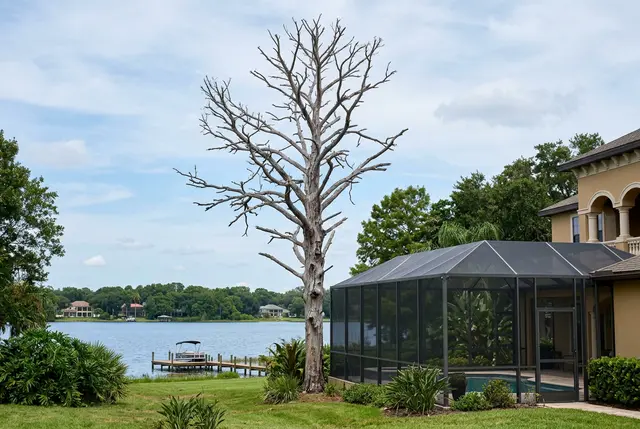
Before 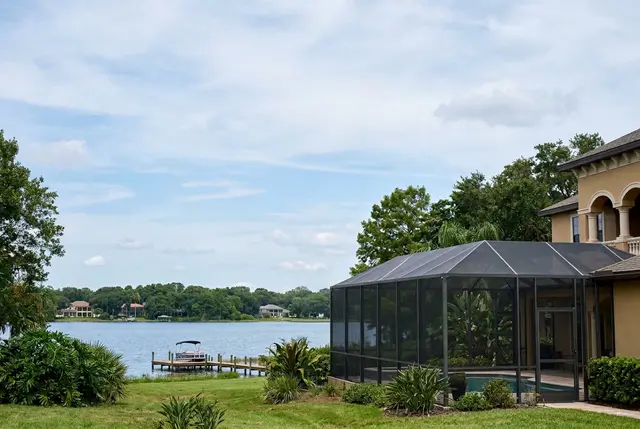
After Crane Removal of a Dead Pine Over a Windermere Pool Cage
A dead pine towered between a lakefront pool cage and the water with no room to drop anything. Our crane lifted it out piece by piece, and the cage was untouched.
Before 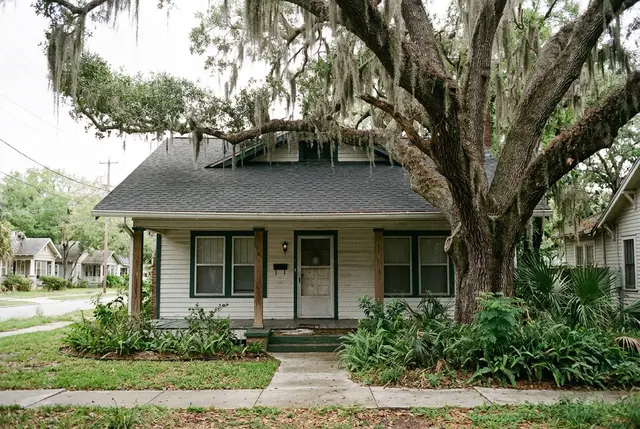
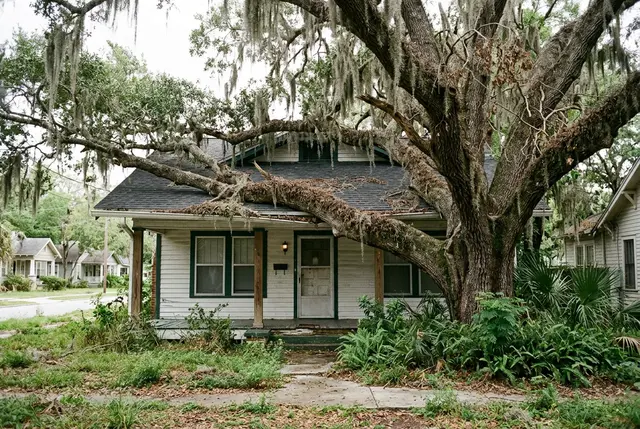
After Lifting a Century-Old Live Oak Off a College Park Bungalow
A heavy live oak was resting on a craftsman bungalow's roof. We raised and thinned the canopy, took out the deadwood, and kept the tree.
Before 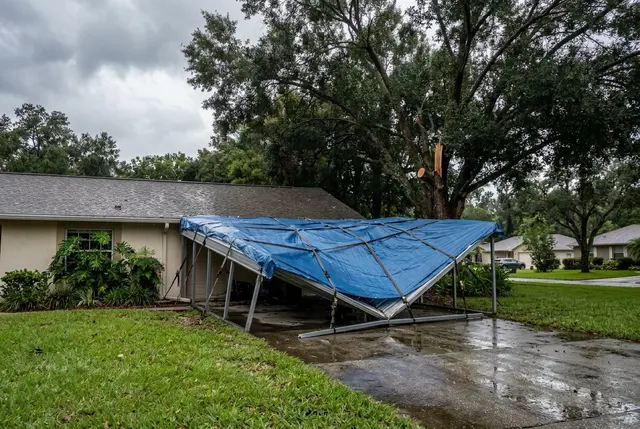
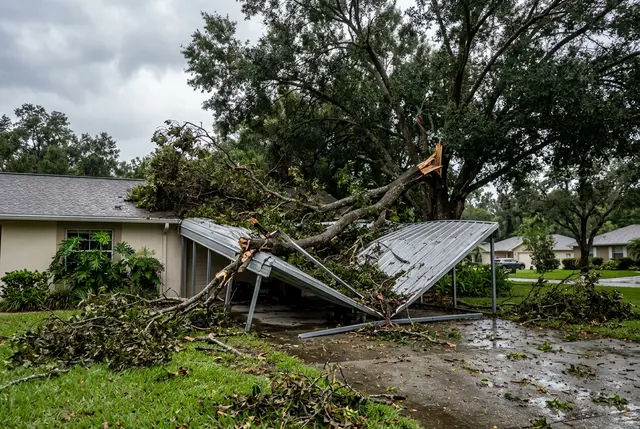
After Midnight Water Oak Limb Through an Oviedo Carport
A storm-broken water oak limb crushed a metal carport late at night. Our emergency crew removed it and tarped the roof before morning.
Get a Free Crane-Assisted Removal Estimate
Here's What Happens When You Reach Out
- 1
We schedule your free visit around your calendar.
- 2
A certified arborist assesses your trees in person.
- 3
You get a clear written quote before any work begins.
- 4
The price we quote is the price you pay.
We call back the same day. No spam, ever.
Storm season fills our schedule fast — get on the calendar before that tree becomes an emergency.
Frequently Asked Questions
How much does crane-assisted removal cost?
Crane removals are usually at the upper end of our $450–$3,000+ range, and very large or complex trees can run higher. A crane often shortens the job, which offsets part of the cost. We price it upfront after seeing the tree.
Will the crane damage my driveway or lawn?
We set outrigger mats to spread the load and protect surfaces. Lawns may show light marks for a few weeks; hardscape is protected.
How do I know if my tree needs a crane?
You don't have to decide. Our arborist recommends a crane only when it's the safest or most efficient way to do the job, and explains why.
Can you use a crane after a storm?
Yes. Storm-damaged trees resting on homes are one of the most common reasons we bring the crane out, often on an emergency call.
More Ways We Can Help
Tree Removal
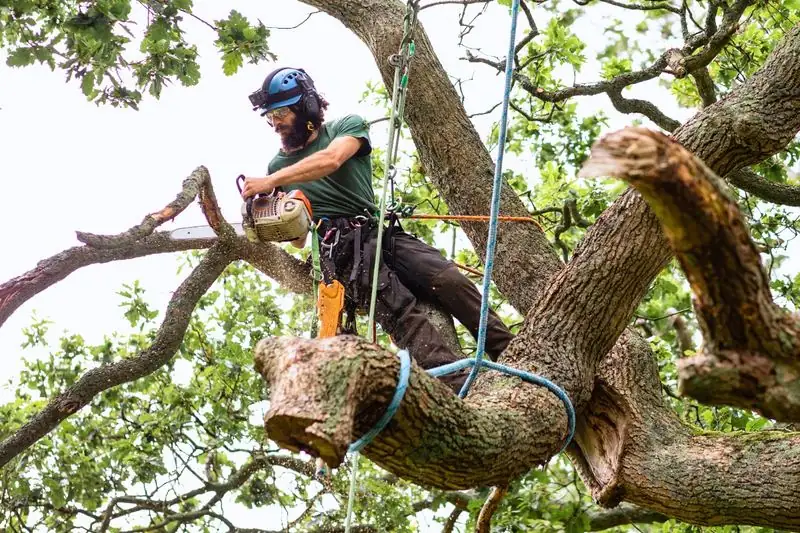
Complete removal of any size tree, done safely and cleanly — stump removal available.
Learn more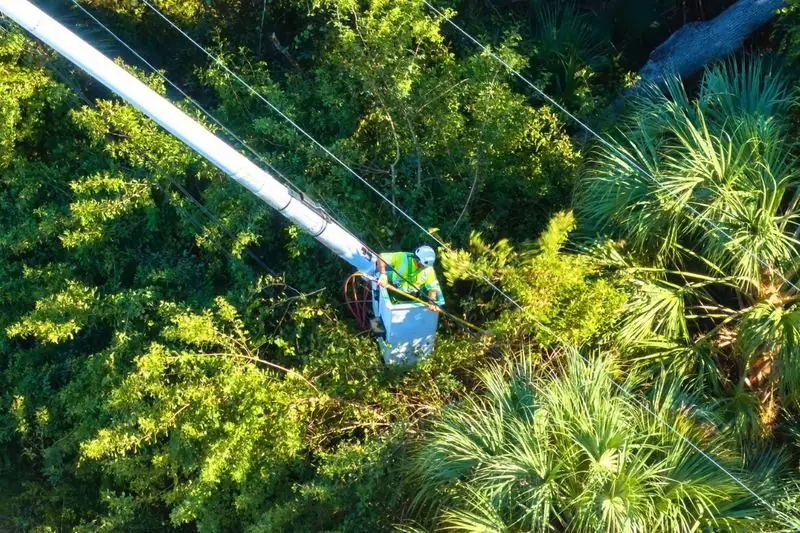
Tree Trimming & Pruning
Regular pruning and care to keep your trees healthy, shaped, and safe.
Learn more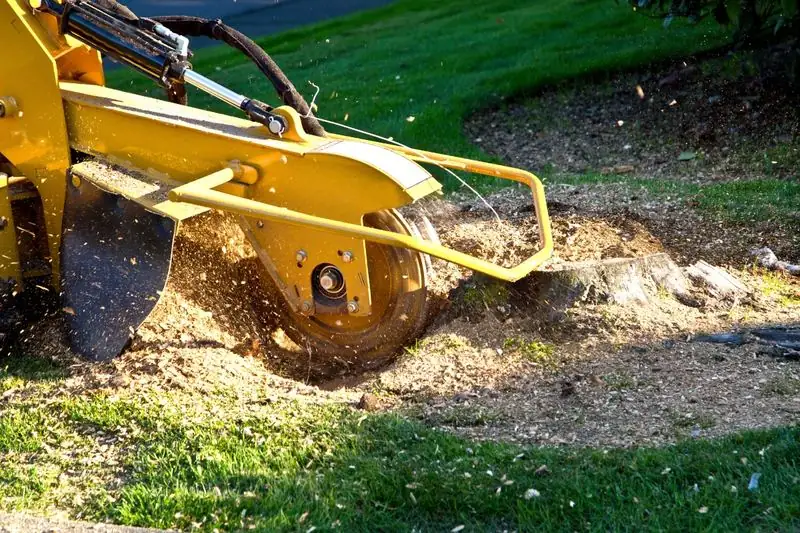
Stump Grinding
Remove the tripping hazard and reclaim your yard for good.
Learn more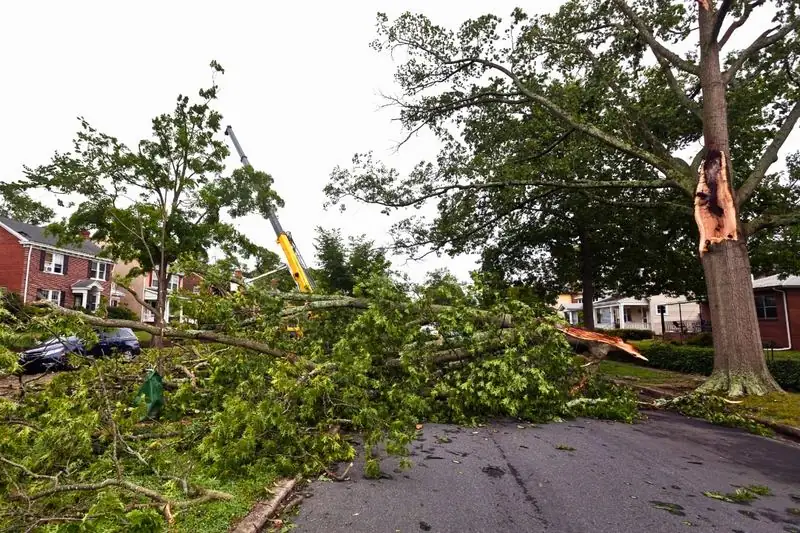
24/7 Emergency Tree Service
Storms and fallen trees don't wait for business hours — neither do we.
Learn more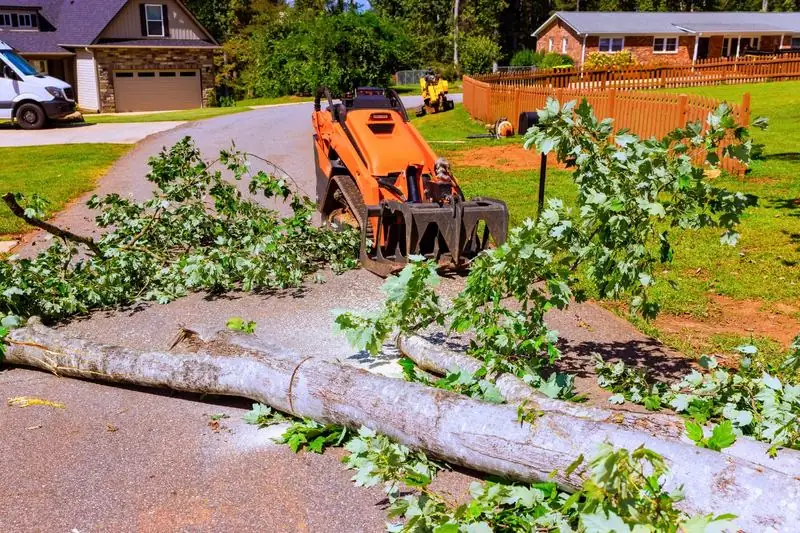
Storm Damage Cleanup
Fast debris cleanup after severe weather, with direct insurance coordination.
Learn more
Latest From Our Learning Center
All articles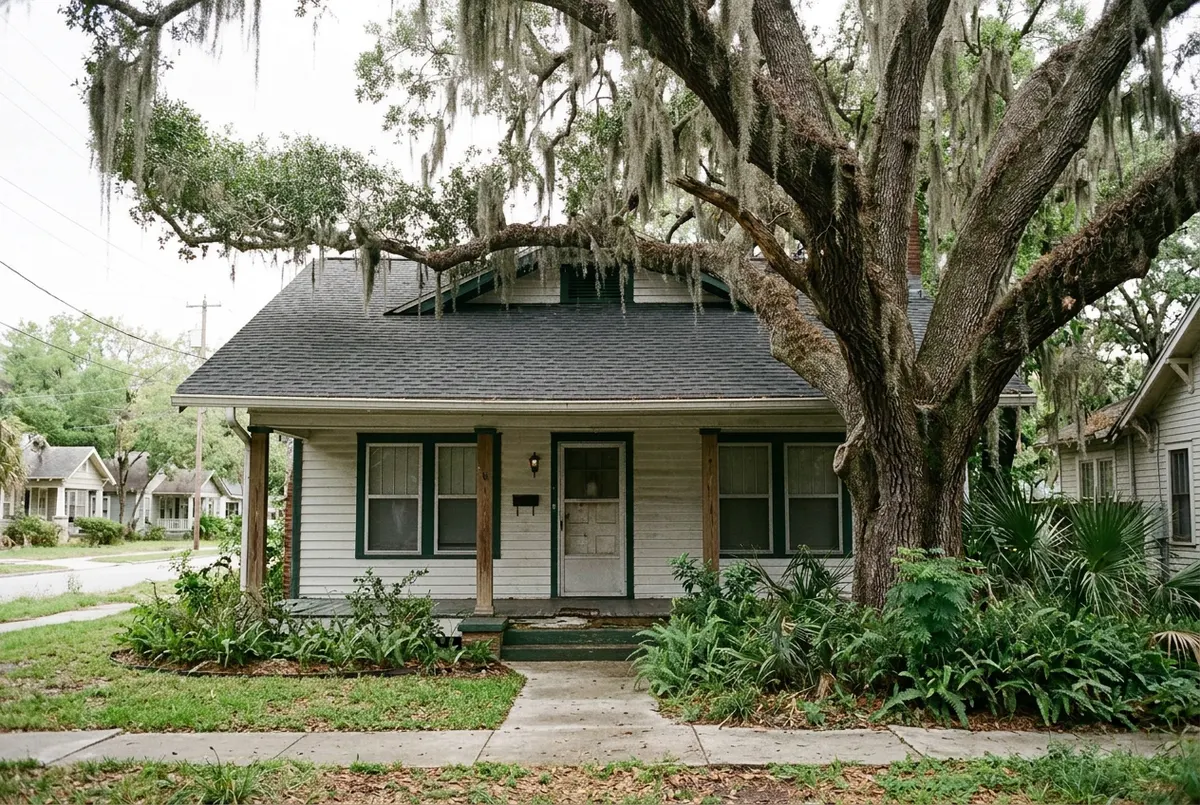
Top 10 Tree Service Companies in Orlando, FL (2026)
Picking a tree company in Orlando is easier when you know what to compare. We ranked 10 local crews on credentials, insurance, pricing and response time.
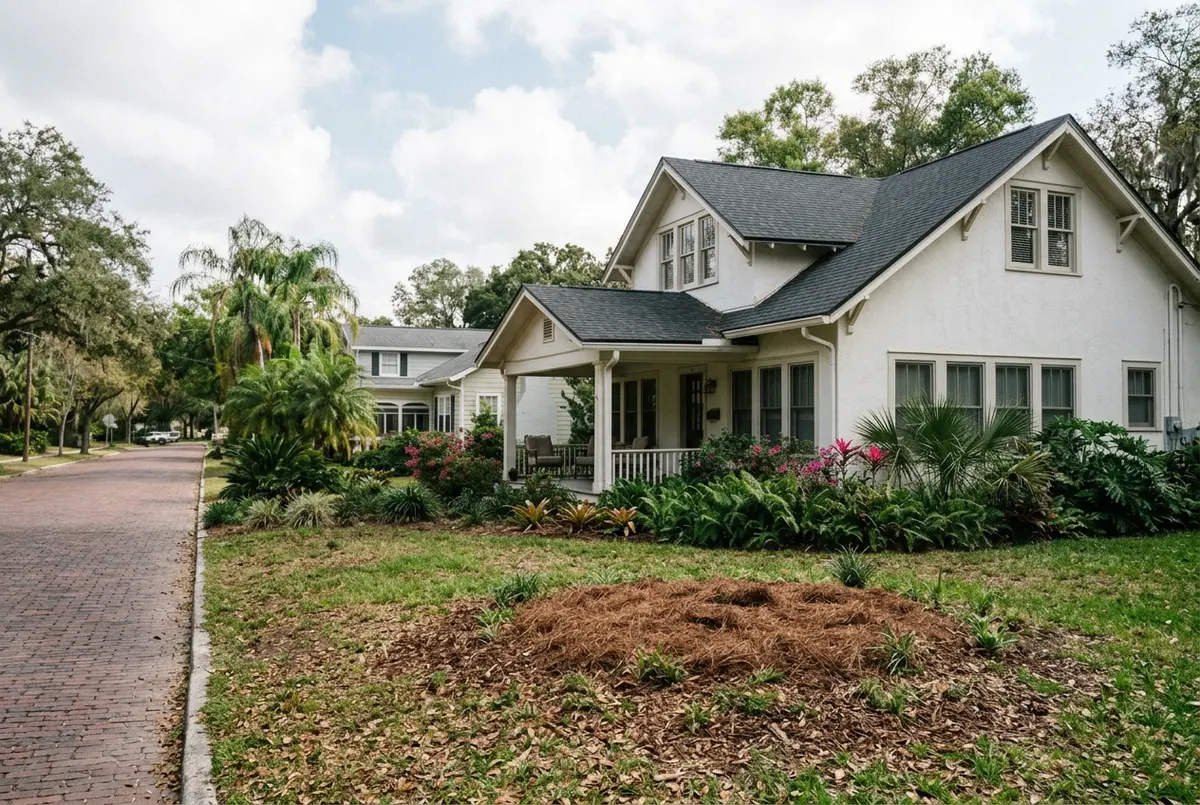
Top 10 Tree Service Companies in Winter Park, FL (2026)
Winter Park's old oaks deserve a careful crew. Here are 10 companies we'd consider, ranked on credentials, insurance, permits and how they treat older properties.
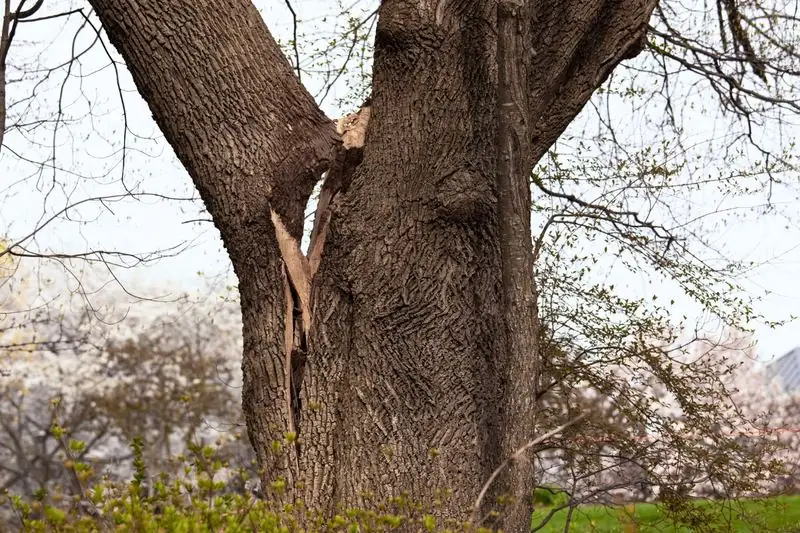
Tree Diseases Every Central Florida Homeowner Should Know
Some of the most serious tree problems in Central Florida don't look like much at first. Here are the four we see most often, the early signs, and when it's time to call an arborist.