Atlantic hurricane season officially runs from June 1 through November 30. In Central Florida, the busiest stretch is usually August through October. Once a storm is in the forecast, every tree service in town is booked solid, and it's too late to safely remove a large tree or prune a heavy limb.
I've worked every hurricane cleanup in Orlando since 2004. The damage we see over and over could often have been prevented with a little attention in the spring. Here's what I'd recommend doing now.
Walk Your Yard and Look Up
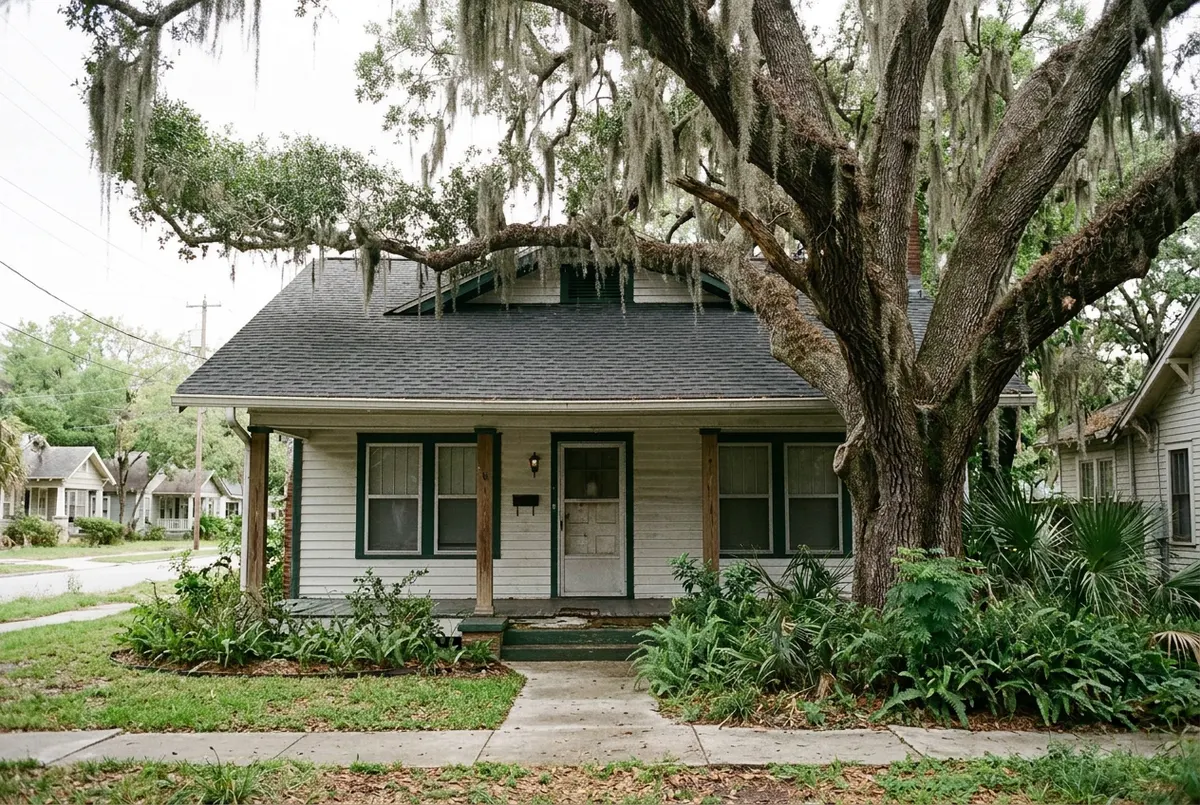
Take fifteen minutes and walk around every tree near your home, driveway, fence, and power lines. Look for:
- Dead branches, especially large ones hanging over the roof or driveway
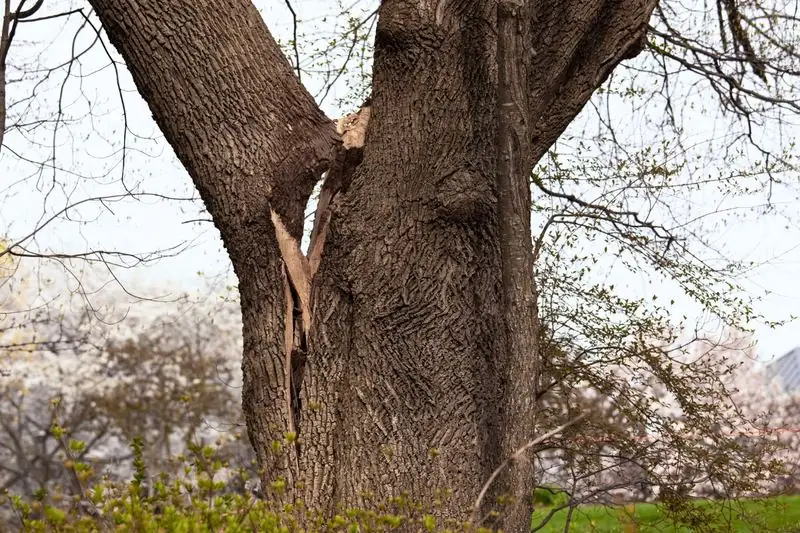
- Cracks, splits, or cavities in the trunk or main limbs
- Mushrooms or conks growing at the base of the tree or on the trunk
- A tree that has started to lean, or soil that has cracked or lifted on one side
- Branches rubbing against your roof or growing into the gutters
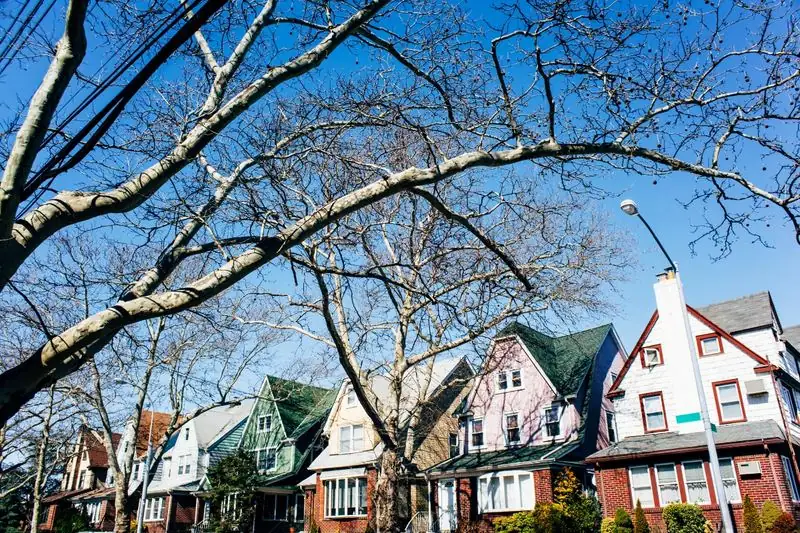
- Limbs growing close to power lines
Get a Professional Assessment for Big Trees
If you have a large tree within striking distance of your home, it's worth having a certified arborist look at it before peak season. An arborist can spot internal decay, weak branch unions, and root problems that are hard to see from the ground, and tell you whether the tree needs pruning, cabling, or removal.
Book your spring assessment early. Pruning and removal schedules fill up fast from June onward, and once a storm is named, crews switch to emergency work only.
Prune the Right Way
Good pruning removes dead, weak, and crossing branches and thins the canopy so wind can pass through instead of catching it like a sail. That reduces the load on the trunk and roots during a storm.
Topping, cutting the top of a tree back to stubs, does the opposite. It leaves the tree stressed and prone to decay, and the new shoots that grow back are weakly attached and break easily in high winds. If anyone offers to top your trees before hurricane season, say no.
What Not to Do Yourself
- Never prune or cut anything near a power line. Contact your utility or a tree service trained to work near electrical hazards.
- Don't climb a tree with a chainsaw or work from a ladder with one. Most serious tree-work injuries happen to homeowners doing exactly that.
- Don't try to remove a large tree or limb that could fall on a structure. Controlled rigging, and sometimes a crane, is the safe way to bring it down.
Clean Up Before a Storm Arrives
When a storm is a few days out, pick up fallen branches, secure loose items, and avoid leaving yard waste piled at the curb. Debris piles can become projectiles in high winds, and collection often stops ahead of a storm.
After the Storm
Stay away from downed power lines and treat any wire as live. Don't go under trees with hanging or broken limbs. Take photos of any damage for your insurance company before cleanup starts, then call a professional for anything that's on a structure or still hanging.
Our storm line is answered 24/7, and we work directly with insurance companies when a tree has damaged your home. But the best storm call is the one you never have to make. Book a free spring assessment and we will help you get your yard ready before the season starts.